
Sajnekhali Watch Tower is the most visited attraction in the Sundarbans and the first stop for every tourist entering the Sundarban Tiger Reserve. Located on Sajnekhali Island at the confluence of the Matla and Gomor rivers, this is where the forest department headquarters operates, tourists collect their entry permits, and the Sundarban adventure officially begins. No visit to the Sundarbans is complete without spending time at Sajnekhali.
The Sajnekhali Wildlife Sanctuary covers an area of 362 square kilometres and was established in 1976 to protect the unique mangrove ecosystem and its wildlife. The sanctuary is part of the larger Sundarban Tiger Reserve, home to over 100 Royal Bengal Tigers. While Sajnekhali itself is best known for birdwatching and crocodile spotting rather than tiger sightings, it serves as the gateway to deeper tiger territory at Sudhanyakhali, Dobanki, and Netidhopani.
Best Sundarban Tour Packages Price
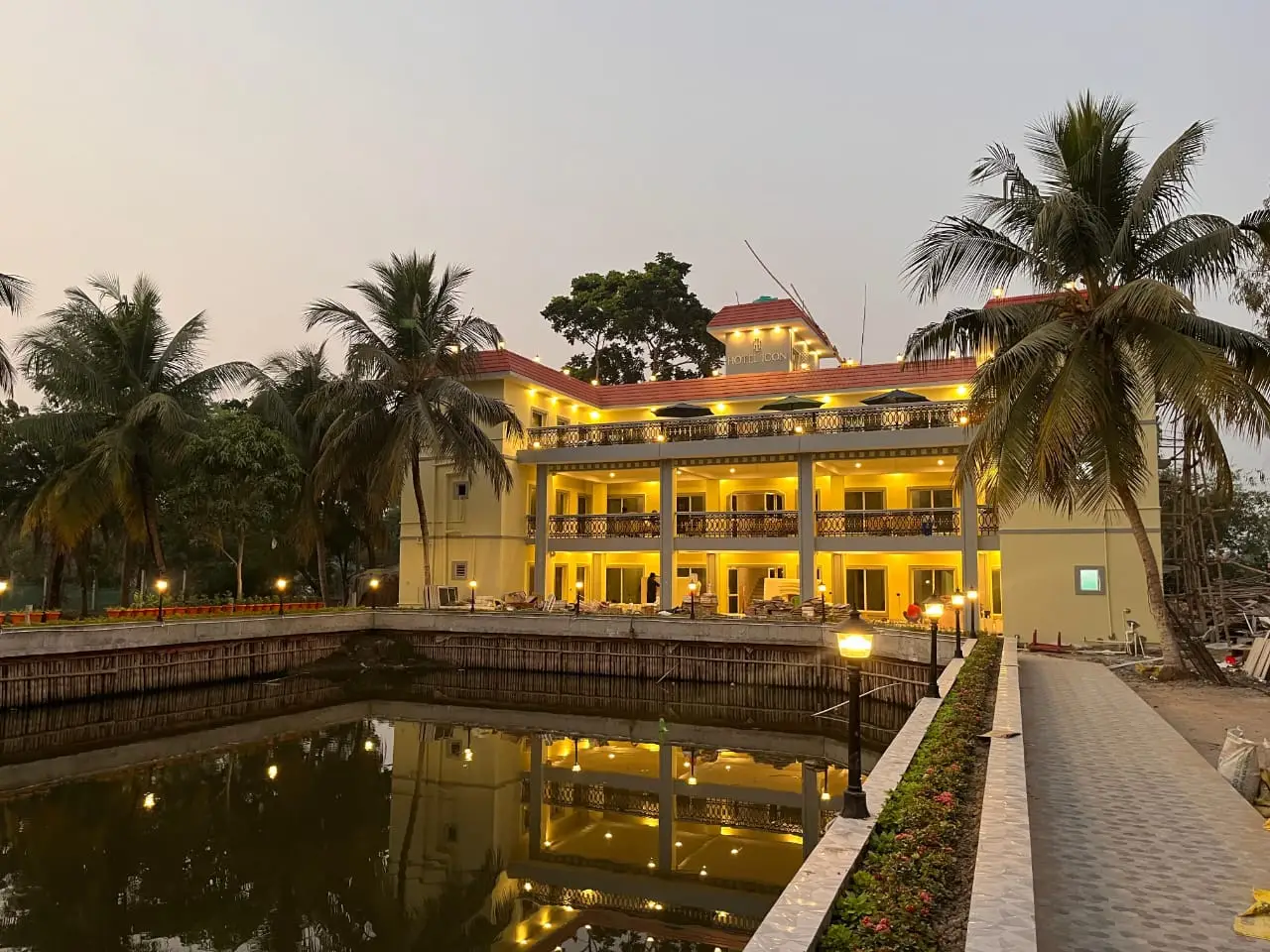

1 Day Sundarban Tour
- Pickup from Godkhali
- Boat Safari
- Lunch Included
- Professional Guide
- Forest Permits


Sundarban Tour 1 Night 2 Days Package
- Hotel Accommodation
- All Meals Included
- Extended Boat Safari
- Watch Tower Visit
- Forest Permits
- Professional Guide


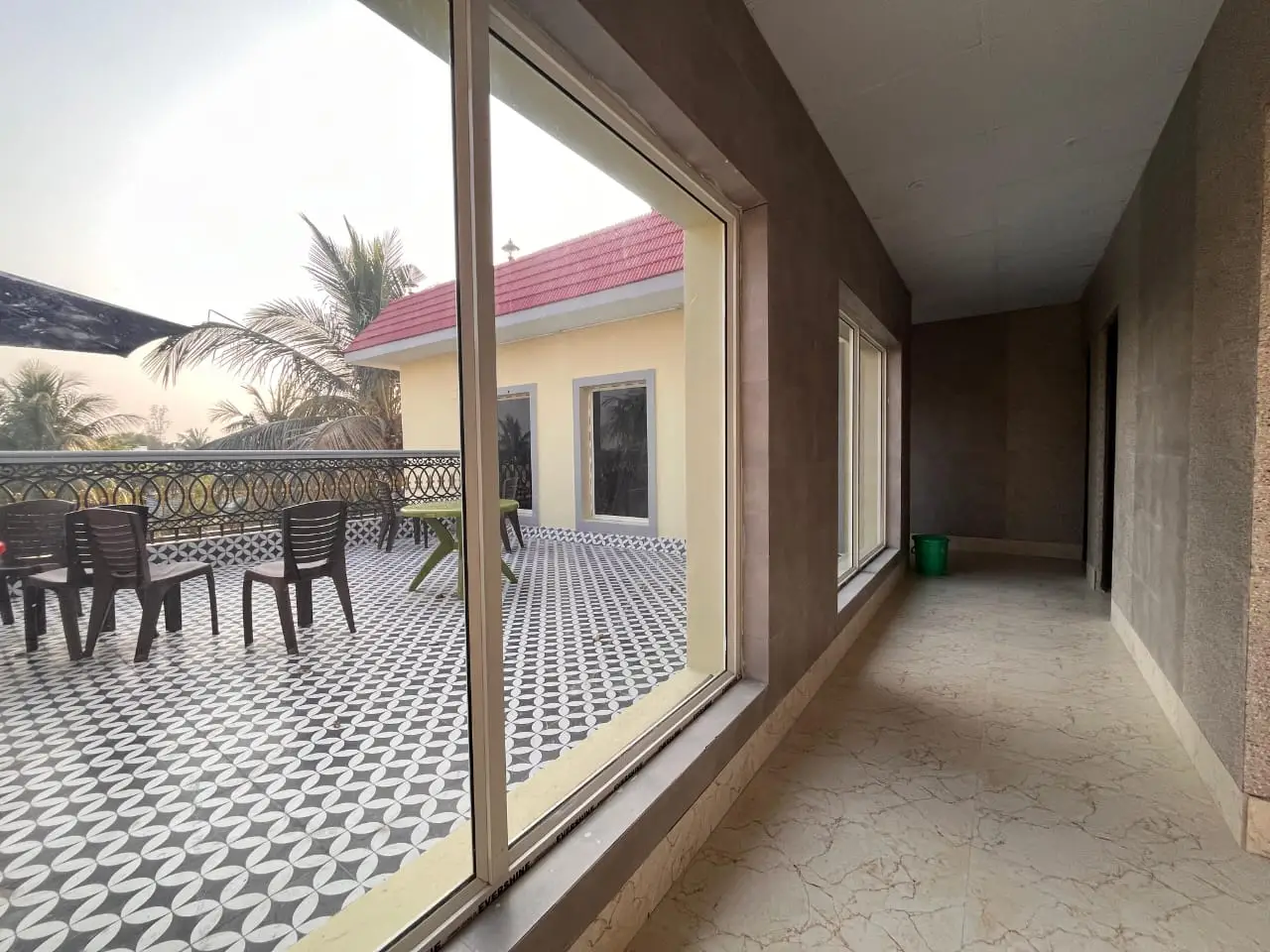
Sundarban Tour 2 Night 3 Days Package
- Luxury Hotel Stay
- All Meals Included
- Multiple Boat Safaris
- Village Visit
- Cultural Program
- Forest Permits
- Expert Guide
What to See and Do at Sajnekhali
The Watchtower — Panoramic Views of the Mangrove Forest
The Sajnekhali watchtower offers a 360-degree panoramic view of the surrounding mangrove forest. From the top, you can see the river stretching in both directions, the dense green canopy of sundri, gewa, and goran trees, and — with binoculars — wildlife moving along the mudflats and riverbanks. Early morning visits (7-8 AM) are best for birdwatching from the tower. Look for White-bellied Sea Eagles soaring overhead, Brahminy Kites circling the river, kingfishers darting between branches, and herons standing perfectly still in the shallows. The tower accommodates around 20 people at a time, so your guide will time the visit to avoid crowds.
Mangrove Interpretation Centre — Understanding the Ecosystem
The Mangrove Interpretation Centre at Sajnekhali is a small but excellent museum that explains the Sundarbans ecosystem in detail. Through maps, photographs, preserved specimens, and informative panels, you will learn about the unique adaptations of mangrove trees (salt-filtering roots, pneumatophores for breathing, prop roots for stability), the tidal patterns that shape life here, the food chain from plankton to tiger, and the conservation challenges facing this UNESCO World Heritage Site. If you are visiting with children, this centre is particularly valuable — it turns the Sundarbans from a beautiful landscape into an understandable ecosystem.
Crocodile Breeding Centre
The crocodile pond at Sajnekhali houses several saltwater crocodiles of different ages and sizes. The Sundarbans is home to the world largest population of saltwater crocodiles — the biggest reptilian predator on Earth, growing up to 6 metres long. At the breeding centre, you can observe these prehistoric creatures basking on the banks just a few metres away (safely behind barriers). Your guide will explain crocodile behaviour, breeding patterns, and the conservation programme that has helped stabilise their population in the Sundarbans.
Turtle Hatchery — Conservation in Action
Adjacent to the crocodile pond is a turtle hatchery where endangered Olive Ridley and river turtle eggs are protected from predators and poachers. The forest department collects eggs from vulnerable nesting sites, incubates them in protected enclosures, and releases the hatchlings into the river once they are strong enough to survive. Visiting this facility is a reminder that tourism revenue directly supports these conservation programmes.
Bono Bibi Temple — The Forest Goddess
At the edge of the Sajnekhali complex stands the Bono Bibi Temple, dedicated to the goddess Bonbibi — the protector of the forest. According to Sundarban legend, Bonbibi protects honey collectors, fishermen, and woodcutters who enter the forest from the wrath of Dokkhin Rai, a tiger-spirit. Before every trip into the deep forest, local workers still pray at Bonbibi shrines for safe passage. The temple at Sajnekhali features colourful idols of Bonbibi, her brother Shah Jongoli, and the defeated Dokkhin Rai. This is a fascinating window into the unique spiritual culture of the Sundarbans — a blend of Hindu, Islamic, and animist traditions shaped by centuries of living alongside tigers.
Bird Watching at Sajnekhali
Sajnekhali is one of the best birdwatching spots in the entire Sundarbans. The convergence of river and forest creates a rich habitat for both resident and migratory species. During the peak birding season (November to February), you can spot over 50 species in a single morning visit. Key species include:
- Raptors: White-bellied Sea Eagle, Brahminy Kite, Osprey, Grey-headed Fish Eagle
- Kingfishers: Black-capped Kingfisher, Collared Kingfisher, Stork-billed Kingfisher, Common Kingfisher
- Waders: Great Egret, Purple Heron, Grey Heron, Indian Pond Heron, Black-crowned Night Heron
- Others: Asian Open-bill Stork, Lesser Adjutant Stork, Whimbrel, various Sandpipers and Plovers
- Winter migrants: Northern Pintail, Common Teal, Gadwall, and other ducks from Central Asia
How to Visit Sajnekhali
Sajnekhali is included in every Sundarban tour package we offer — from the 1 Day tour to the 3N4D extended package. It is typically the first watchtower visited on Day 1 or early Day 2 of a multi-day tour. The boat ride from most resorts to Sajnekhali takes 30-60 minutes. Visitors need a valid forest entry permit (which we arrange for you) and a photo ID.
Plan to spend at least 1-1.5 hours at Sajnekhali to explore the watchtower, museum, crocodile pond, turtle hatchery, and Bonbibi temple properly. Your guide will time the visit based on tidal conditions and bird activity.
Frequently Asked Questions
📞 Book Your Tour: +91 7797860930 | Sajnekhali is included in all our packages. Also visit: Dobanki Canopy Walk | All Attractions | Wildlife Safari Guide