

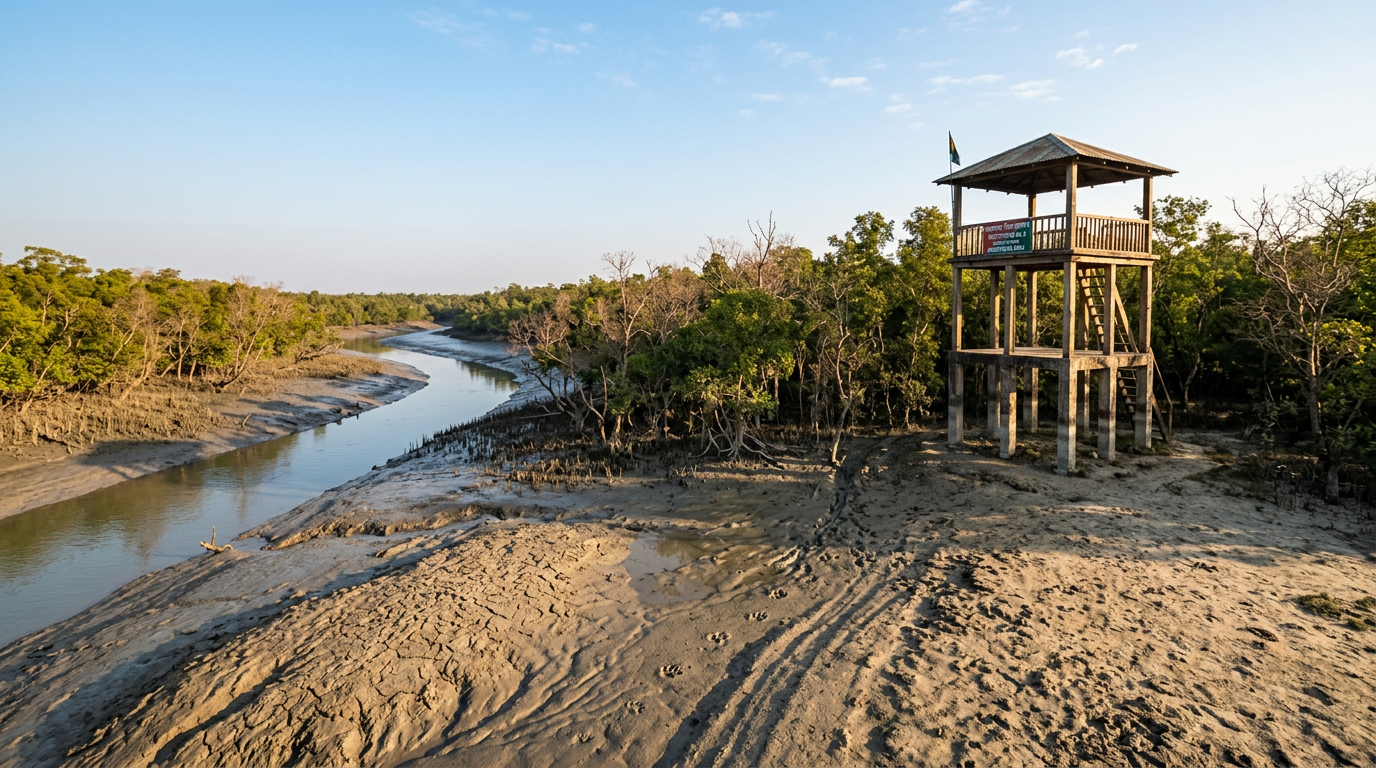
January is when the Sundarbans is at its sharpest. Water levels drop, mudflats stretch open along every creek, and the Royal Bengal Tiger walks closer to exposed banks looking for prey. If you have been planning a wildlife-focused getaway to kick off the year, a Sundarban January tour package puts you in the right forest at the right time. Dry winter air, clear skies, and cool mornings between 12 °C and 22 °C make boat safaris comfortable from dawn to dusk — no monsoon rain, no oppressive humidity, just uninterrupted hours on the river scanning mangrove edges for movement. For travellers who treated themselves to a Sundarban December tour holiday and fell in love with the delta, January extends that magic with thinner crowds and sharper tiger-spotting odds.
Why January Is the Best Month for a Sundarban Tour
Every month in the October–March window offers decent conditions, but January stands apart for three reasons that matter to serious wildlife tourists:
- Peak Tiger Visibility: Receding tidal waters force tigers to move through open terrain to reach freshwater pools. Watchtowers at Sudhanyakhali and Sajnekhali report more sightings in January than in any other month.
- Migratory Bird Bonanza: Kingfishers, white-bellied sea eagles, and over 40 migratory species — including Pied Harriers and Peregrine Falcons — are still present across the delta, making January ideal for bird watching.
- Calm River Conditions: With minimal rainfall and steady tidal patterns, boat safaris run on schedule without the cancellations or route diversions common in the shoulder months.
A well-timed Sundarban January tour package from a trusted operator combines all three advantages into a single itinerary that covers Sajnekhali, Sudhanyakhali, Dobanki canopy walk, and the narrow mangrove-lined creeks where wildlife concentrates during the dry season. For a detailed seasonal breakdown, the Sundarban winter tour guide covers what to expect across every winter month.
What a Sundarban January Tour Package Includes
Sundarban Ecofriends designs January packages to squeeze maximum wildlife value from the season. Here is what a typical 2-night / 3-day Sundarban January tour package covers:
- AC Vehicle Transfer — pickup from Kolkata (Science City / Howrah) to Godkhali Jetty and return.
- Motorised Boat Safari — full-day river safaris covering Sajnekhali Wildlife Sanctuary, Sudhanyakhali watchtower, and deep-creek routes where tiger pugmarks are most frequently recorded in January.
- Eco-Resort Accommodation — riverside cottage or lodge with attached bathroom, hot water (essential in January mornings), and electricity backup.
- All Meals — authentic Bengali food including fresh river fish, prawn curry, seasonal vegetables, and sweets.
- Forest Permits & Guide — government entry fees, boat permits, and a licensed naturalist guide trained in tiger tracking and bird identification.
Pricing starts at approximately ₹4,500 per person for a shared-boat group departure. Private boat upgrades and AC cottage options are available for couples and families who want exclusivity. January is peak season, so booking at least two to three weeks ahead locks in the best rates and room choices.
New Year Early-Bird Discounts — Book Before Slots Fill
Starting the year with a Sundarban trip is becoming a tradition for Kolkata-based travellers and East India adventure seekers. Because demand spikes in the first two weeks of January — right after the New Year holiday rush — Sundarban Ecofriends releases early-bird pricing every November for January departures. Travellers who confirm before December 15 typically save 10–15 % on standard package rates. Group bookings of six or more qualify for additional discounts on top of the early-bird offer. Check all current pricing and combo deals on the Sundarban tour packages page.
Tips for Getting the Most from Your January Safari
- Layer your clothing. January mornings on the boat can drop to 10 °C with river wind chill. Carry a fleece or light jacket and switch to a T-shirt by midday.
- Carry binoculars and a zoom lens. Low water exposes distant mudflats; a 200 mm lens or better captures tiger and bird sightings that are too far for a phone camera.
- Request dawn departures. Tigers are most active between 6:00 AM and 8:30 AM. Ask your operator to schedule the first safari slot.
- Stay quiet on the boat. The Sundarbans reward patience and silence. Guides who cut the engine and drift through narrow creeks often spot wildlife that motorised boats miss.
Frequently Asked Questions
Is January a good month to visit the Sundarbans?
January is widely considered the best month for a Sundarban tour. Cool weather, low water levels, and peak migratory bird season combine to offer the highest wildlife sighting probability of the year.
What is the price of a Sundarban January tour package?
A 2-night / 3-day Sundarban January tour package starts at approximately ₹4,500 per person for shared-boat group departures. Private boat and AC cottage upgrades range from ₹7,000 to ₹12,000 per person depending on the accommodation tier.
Can I spot a Royal Bengal Tiger in January?
January offers the highest probability of tiger sighting because low water forces tigers onto exposed banks and near freshwater pools. While sightings are never guaranteed, January visitors report more pugmark and direct-sighting instances than any other month.
How cold does it get during a January Sundarban tour?
Early mornings and evenings can drop to 10–12 °C on the boat due to river wind chill. Daytime temperatures stay around 20–24 °C. Carry layers and a light jacket for comfortable boat rides.
How far in advance should I book a January Sundarban tour?
Book at least two to three weeks ahead. January is peak season and popular departure dates — especially the first two weekends after New Year — fill up fast. Booking before mid-December qualifies you for early-bird discounts.